
As a startup company developing digitally guided, ultra-efficient firefighting technology, we’ve been closely following recent headlines on: climate adaptation, expected water shortages, Europe’s record fire season and how rapid fire response is undervalued. Here are some of our reflections we wanted to share:
- Brazil’s president Luna called into life the Tropical Forest Forever Facility during #COP30 with a medium-term funding goal of $125 billion . Thus, he indirectly set a value for tropical forest beyond commercial exploitability such as cattle grazing grounds, soybean fields or hardwood source. Some still see forests as valuable only when they can be harvested for timber, cleared for grazing or crop cultivation. We have yet to recognize the full systemic value of forests – tropical, boreal or temperate – in terms of rendered (nature) services such as sequestering CO2.
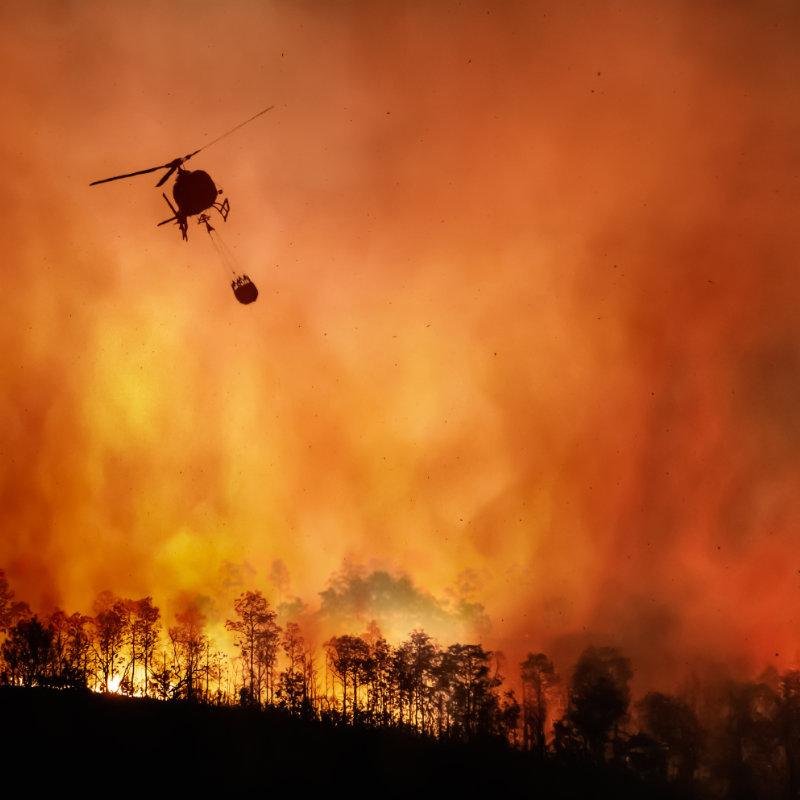
- Forests aren’t safe anymore. Clearing and logging are one set of issues. The increasing frequency and intensity of wildfires poses a far greater threat. They are turning forests from net carbon sinks to net carbon emitters. Australia’s Black Saturday Bushfires in 2009; Canada’s 2023 fires; 2025 California’s January fires and Europe’s record >1 million hectares of burnt area- CO2 emissions keep rising. In 2023, the 8.3 GT CO2 emitted from wildfires outstripped those from the transport sector, previously ranked 3rd. In 2024, the World Meteorological Organization reported the largest increase in atmospheric CO2 due to wildfires. Even intermittent wet and rainy summers in Central or Northern Europe cannot mask the issue anymore: fierce wildfires are going to stay with us – and will grow bigger if we don’t react and adapt
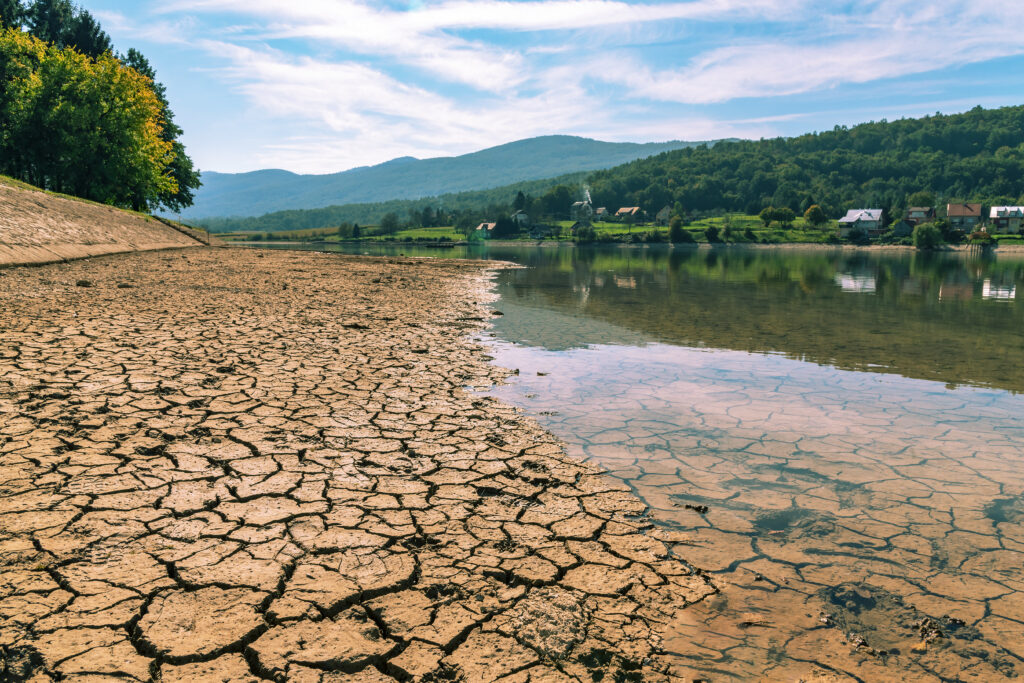
- Meanwhile, the wildfire problem is exacerbated by yet another climate change induced challenge: water shortage. The Guardian writes that “Europe’s water reserves are drying up”. Freshwater storage is shrinking across Europe, not just in the South, but also in Poland or the UK. Regarding firefighting water, one could say airtankers can scoop seawater where countries have access to the sea. Yet even their tanks need to be cleaned from the salt with fresh water post-mission to prevent corrosion.
- Finally, financing necessary adaptation technology to fight forest fires is only slowly rising to the challenge. Potential investors fear cumbersome public procurement processes, yet there is a potential private market encompassing helicopter or drone operators frequently contracted in fire emergencies, utility, energy or infrastructure companies keen to safeguard their assets. In the words of Morphosis Solutions “private investment in adaptation remains only a fraction of global climate finance”. Current funding in firefighting technology often targets AI-based solutions for prevention, detection, or post-event recovery. Yet, AI does not suppress fires. Rapid initial attack from the air to keep fires small, preventing them from turning into disasters, according to the magazine Air Attack, remains undervalued.
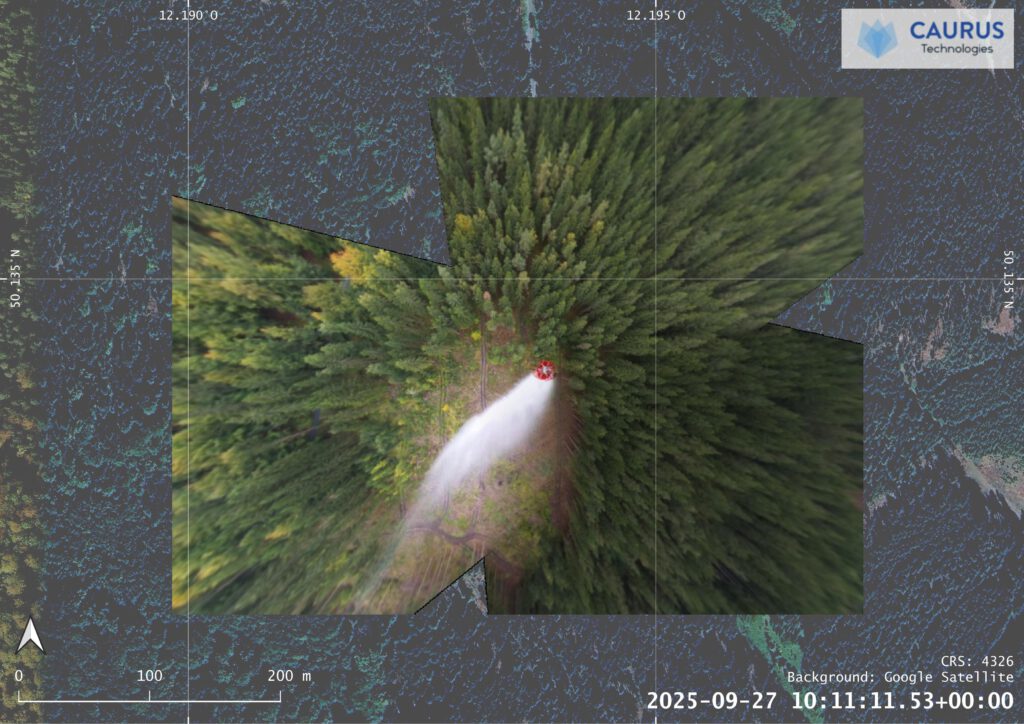
When increasing wildfires meet water shortage, we should make every single drop of water count. This is where firefighting innovation that digitizes the water drop for precision targeting, delivers the full water load through canopy into the fire and extinguishes more efficiently with a water-aerosol cloud can make a real difference.
But we need to act fast and united to bring novel adaptation technology to the market – both financially and technologically.